/ 소식 / 업계 뉴스 / How Bible Paper Maintains Flexibility Without Compromising Strength

업계 뉴스

How Bible Paper Maintains Flexibility Without Compromising Strength

Understanding the Unique Properties of Bible Paper

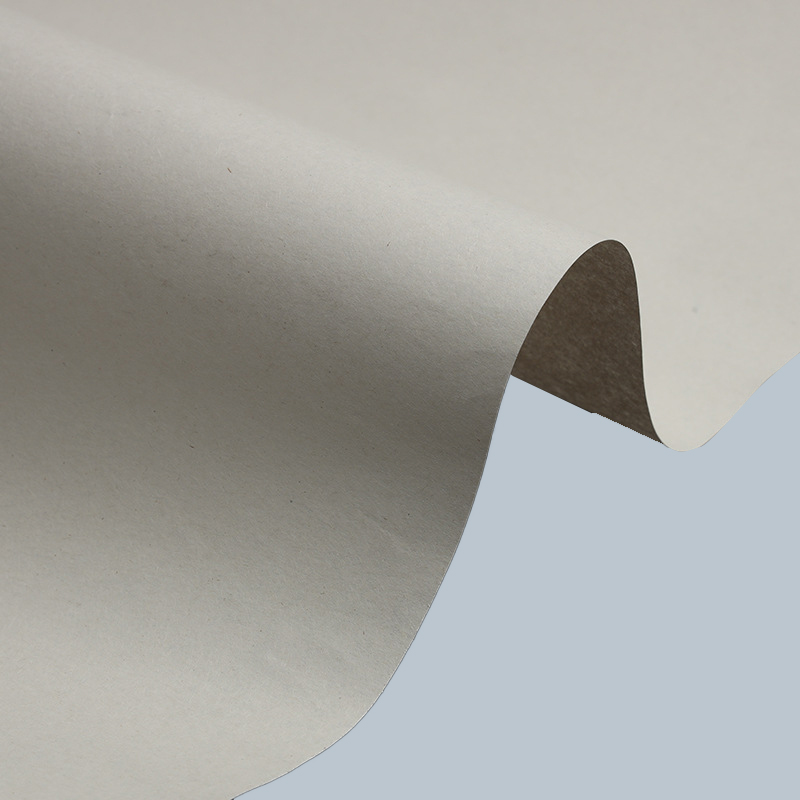
Bible paper, often referred to as thin or lightweight book paper, is specially engineered to provide exceptional flexibility without compromising strength. This combination allows publishers to produce large volumes of text, such as Bibles or reference books, in a manageable size and weight, ensuring the final product remains portable and comfortable for readers.

Its unique properties stem from careful selection of pulp materials, fiber length, and finishing techniques that enhance both durability and pliability. These factors ensure the paper can endure repeated handling while remaining resistant to tearing, creasing, or curling.

Material Composition and Fiber Structure

The strength and flexibility of Bible paper originate from its fiber composition. Long fibers from high-quality pulp are often combined with specialized additives to improve tear resistance while maintaining thinness. The fiber network is tightly bonded during the papermaking process, distributing stress evenly across each sheet and reducing weak points that could lead to damage.

Additionally, the proportion of softwood fibers enhances flexibility, allowing pages to bend and turn easily without cracking or compromising structural integrity.

Calendering and Finishing Techniques

Bible paper undergoes advanced calendering processes to achieve smoothness, uniform thickness, and consistent weight. During calendering, sheets are passed through rollers under controlled pressure, which compresses fibers and increases density. This process enhances strength while maintaining a flexible texture that supports comfortable page handling.

Surface finishing, including coating or sizing, further contributes to durability by making the paper resistant to ink bleed, moisture, and general wear, ensuring both readability and longevity.

Balancing Opacity and Thinness for Usability

One of the key challenges in producing Bible paper is achieving sufficient opacity while keeping sheets thin and flexible. Modern production techniques incorporate fillers and optical brighteners to enhance opacity without adding thickness, which prevents text from showing through from the opposite side. This balance ensures readability and usability in large-format books without increasing overall weight.

Optimized Sheet Thickness

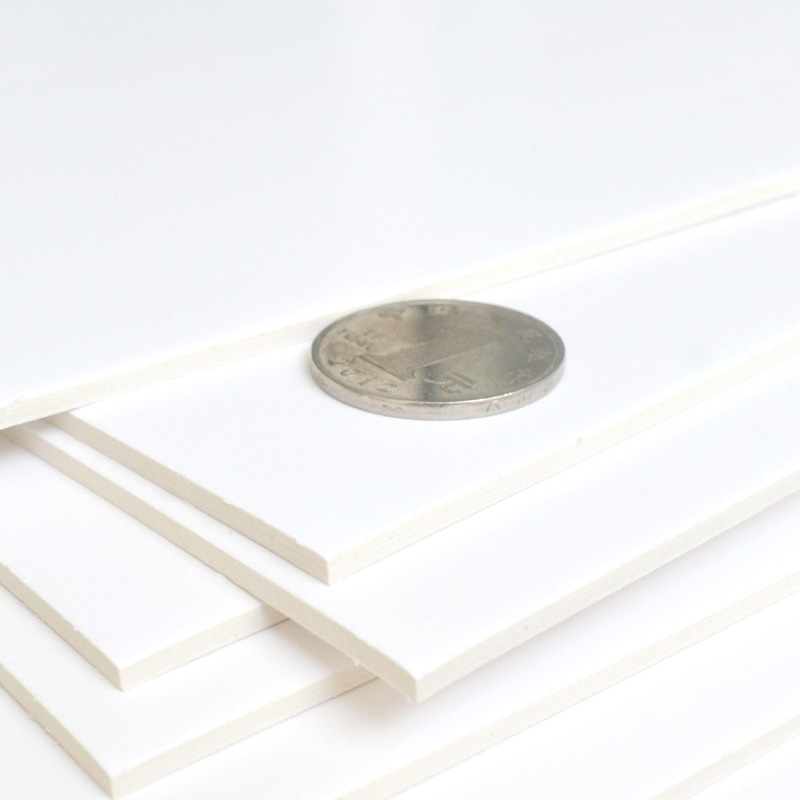
Bible paper typically ranges from 25 to 45 grams per square meter, allowing thousands of pages to be included in a single volume while remaining lightweight. This optimized thickness is essential for achieving portability without sacrificing the tactile strength needed for frequent use.

Durability Under Daily Use

Despite its thinness, Bible paper is designed to withstand repeated handling, page turning, and exposure to varying environmental conditions. The strong fiber network and surface treatment prevent tearing, reduce susceptibility to curling, and resist ink smudging, making it suitable for long-term daily use.

This durability ensures that even heavily used religious or reference texts maintain their integrity over years of regular reading.

  • High tensile strength prevents tearing during frequent page turns.
  • Flexible fibers allow pages to bend without cracking.
  • Surface treatments enhance resistance to ink smudging and moisture.

Comparison of Bible Paper Properties

Property Bible Paper Standard Book Paper
Thickness 25–45 gsm 50–80 gsm
Flexibility High Moderate
Durability Strong, tear-resistant Moderate
Opacity High Variable

Conclusion: The Balance of Strength and Flexibility

Bible paper achieves a rare balance of thinness, flexibility, and durability through careful material selection, fiber engineering, and finishing processes. Its strength supports thousands of pages in a single volume without compromising reader comfort, while its flexibility ensures smooth handling and long-lasting usability.

By maintaining this balance, Bible paper continues to be the preferred choice for printing high-quality Bibles, reference books, and other texts that require extensive page counts in a compact and durable format.