 English
 عربي
عربي
 Español



식품등급 상아판지는 식품과 직간접적으로 접촉하는 포장재, 태그, 카드, 인쇄물 등에 널리 사용됩니다. 이 재료를 조달할 때 가장 중요한 결정 중 하나는 올바른 두께를 선택하는 것입니다. 두께는 구조적 강성부터 인쇄 품질 및 최종 생산 비용에 이르기까지 모든 것에 영향을 미치기 때문입니다. 이 기사에서는 상아판 두께를 측정하는 방법, 일반적인 두께 범위가 사용되는 방법, 특정 응용 분야 요구 사항에 두께를 맞추는 방법을 자세히 설명합니다.
Understanding How Ivory Board Thickness Is Measured
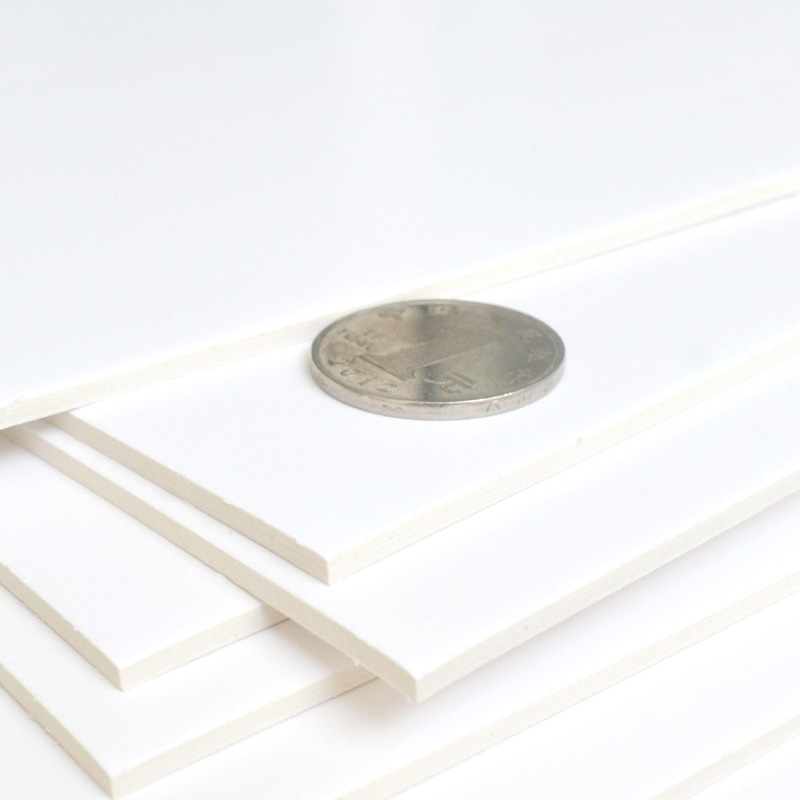
상아판지 두께는 일반적으로 지역 관습 및 산업 표준에 따라 평방 미터당 그램(GSM) 또는 밀리미터(mm)로 표시됩니다. GSM은 단위 면적당 종이의 무게를 측정하는데, 이는 주어진 종이 밀도의 두께와 밀접하게 연관되어 있으며, 밀리미터 측정은 직접적인 물리적 두께 판독값을 제공합니다. Understanding which unit a supplier uses is essential, since GSM and mm are not directly interchangeable without knowing the paper's density.
견고함 그 이상으로 두께가 중요한 이유
Thickness influences more than how rigid the final product feels in hand. 이는 인쇄 중에 보드가 잉크를 얼마나 잘 유지하는지, 생산 라인을 따라 접히거나 주름지는 방식, 생산 단위당 재료 비용이 얼마나 추가되는지에 영향을 미칩니다. 필요 이상으로 두꺼운 두께를 선택하면 기능적 이점은 추가되지 않은 채 재료비와 배송비가 증가하고, 너무 얇은 두께를 선택하면 식품 내용물을 보호하지 못하거나 취급 시 형태를 유지하지 못하는 허술한 제품이 될 수 있습니다.
일반적인 두께 범위와 일반적인 용도
Food grade ivory board is manufactured across a range of thicknesses, each suited to different product categories. The table below outlines commonly available thickness ranges and the applications they typically serve.
| Thickness (GSM) | Approximate Thickness (mm) | 일반적인 응용 |
| 150–180 GSM | 0.18–0.22mm | Menus, labels, lightweight tags |
| 200–250 GSM | 0.24–0.30mm | Business cards, hang tags, inserts |
| 300–350 GSM | 0.35–0.42mm | Folding cartons, gift boxes |
| 400–450 GSM | 0.48–0.55mm | Food packaging boxes, rigid trays |
| 500 GSM and above | 0.60mm | Heavy-duty packaging, display boxes |
Matching Thickness to Product Category
다양한 식품 관련 제품은 다양한 구조적 요구 사항을 요구하며, 두께는 완제품이 수명 주기 전반에 걸쳐 어떻게 사용 및 처리되는지에 따라 선택해야 합니다.
Lightweight Printed Materials
Menus, product labels, and informational inserts generally perform well with lighter board in the 150 to 180 GSM range. 이러한 품목은 구조적 무게를 지탱할 필요가 없으므로 보드가 얇을수록 비용이 절감되는 동시에 식품 안전 잉크에 적합한 매끄럽고 인쇄 가능한 표면을 제공합니다.
Tags and Cards
Hang tags, business cards, and product identification cards typically require a mid-range thickness between 200 and 250 GSM. This range provides enough rigidity to resist bending during handling while remaining easy to print, cut, and finish with coatings or embossing.
Folding Cartons and Gift Packaging
Folding cartons used for items like bakery goods, confectionery, or gift sets generally require board in the 300 to 350 GSM range. 이 두께 덕분에 접는 동안 보드가 주름을 깔끔하게 유지하는 동시에 조립된 상자의 모양을 유지할 수 있는 충분한 구조적 지지력을 제공할 수 있습니다.
Rigid Food Packaging and Trays
Packaging that must support the weight of food contents directly, such as bakery trays or rigid boxes, typically requires 400 GSM or higher. At this thickness, the board resists sagging and provides better protection against crushing during transport and stacking.
Heavy-Duty and Display Packaging
Premium display boxes and heavy-duty packaging designed to convey a high-end product presentation often use board at 500 GSM or above. This thickness provides a substantial, premium feel but comes with higher material costs and requires equipment capable of handling thicker stock during die-cutting and folding.
Factors That Influence the Right Thickness Choice
Beyond matching thickness to a general product category, several additional factors should be considered before finalizing a specification.
- Weight of the food product the packaging needs to support
- Expected handling conditions, including stacking and transport distance
- Printing and finishing requirements, such as embossing, foil stamping, or lamination
- Folding and die-cutting equipment limitations at the production facility
- Cost targets and how thickness impacts material and shipping expenses
Testing Thickness Before Full Production
Before committing to large production runs, it is good practice to request physical samples at the intended thickness to test how the board performs with actual printing equipment, folding processes, and food contact requirements. 샘플 테스트를 통해 두께 차트만으로는 명확하지 않을 수 있는 접힌 선에 따른 균열이나 일관성 없는 인쇄 흡수 등의 문제를 밝힐 수 있습니다. 선택한 두께에 대해 GSM 및 식품 등급 인증을 모두 확인하기 위해 용지 공급업체와 긴밀히 협력하면 나중에 비용이 많이 드는 생산 문제를 방지하는 데 도움이 됩니다.
Making a Confident Thickness Selection
Selecting the right thickness for food grade ivory board paper comes down to balancing the structural demands of the finished product against cost and production efficiency. Using a thickness chart as a starting reference, then validating the choice through sample testing and consultation with a supplier, ensures the final packaging or printed material performs reliably while meeting food safety requirements. A well-matched thickness not only supports the functional needs of the product but also contributes to a polished, professional presentation that reflects positively on the brand.